2026-09-24T08:31:59.845Z
|
Leanne E. Polhill
|
You may not think of hearing as part of your brain health, but the two are more closely connected than you might realize.
Hearing difficulties have long been recognized as more than a communication challenge. In 2019, the World Health Organization (WHO) took an important step by identifying hearing loss challenges as a risk factor for cognitive decline in its guidelines on reducing dementia risk.
Now, in its updated 2026 guidance, for the first time the WHO has formally recommended hearing aids as an intervention to help reduce the risk of cognitive decline and dementia, further highlighting the role hearing health can play in long-term overall well-being.
With September recognized as World Alzheimer’s Month, this is a timely opportunity to take a closer look at the connection between your hearing and your cognitive health, and why taking care of your hearing is an important part of taking care of your brain.
The Brain Strain: What Happens When Hearing Fades?
Think of your brain as a busy command center, constantly receiving and processing information from the world around you. When you hear clearly, sounds arrive as complete, understandable information. But when hearing challenges are present, even mild ones, some of that information becomes distorted or difficult to make sense of.
As a result, your brain has to work harder to fill in the gaps and make sense of what you are hearing. That extra effort, known as an increased cognitive load, draws on mental resources that could otherwise be devoted to other tasks, such as problem-solving or focusing.
Over time, you may find yourself avoiding social situations you once enjoyed because keeping up with conversations has become tiring or frustrating. As you participate less, you may become more socially isolated, and social isolation is itself an established risk factor for cognitive decline.
What Does This Mean for You and Your Family?
The updated WHO guidance highlights the value of taking a proactive approach to your long-term brain health. Understanding your hearing and addressing hearing challenges is one part of supporting cognitive health as you age.
For many people, taking that first step can feel intimidating, but a hearing assessment is a simple, noninvasive way to better understand what you are experiencing and whether hearing loss challenges may be contributing to the changes you have noticed.
Our team at Encore Hearing Care can help you understand what is happening with your hearing and discuss your options based on your individual needs. Contact us today to schedule an appointment or request a callback whenever you feel ready to take that first step.
Frequently Asked Questions (FAQs)
Q: What are some early signs that I may have hearing difficulties?
A: Early signs of hearing loss challenges can include frequently asking people to repeat themselves, turning up the television, or struggling to follow conversations in noisy places. You may also start feeling unusually tired after social interactions.
However, hearing changes often develop gradually, so you may not realize how much they are affecting your day-to-day life. A professional hearing assessment can identify difficulties you may not have noticed and provide a useful baseline for monitoring changes in your hearing over time.
Q: What happens during a comprehensive hearing assessment?
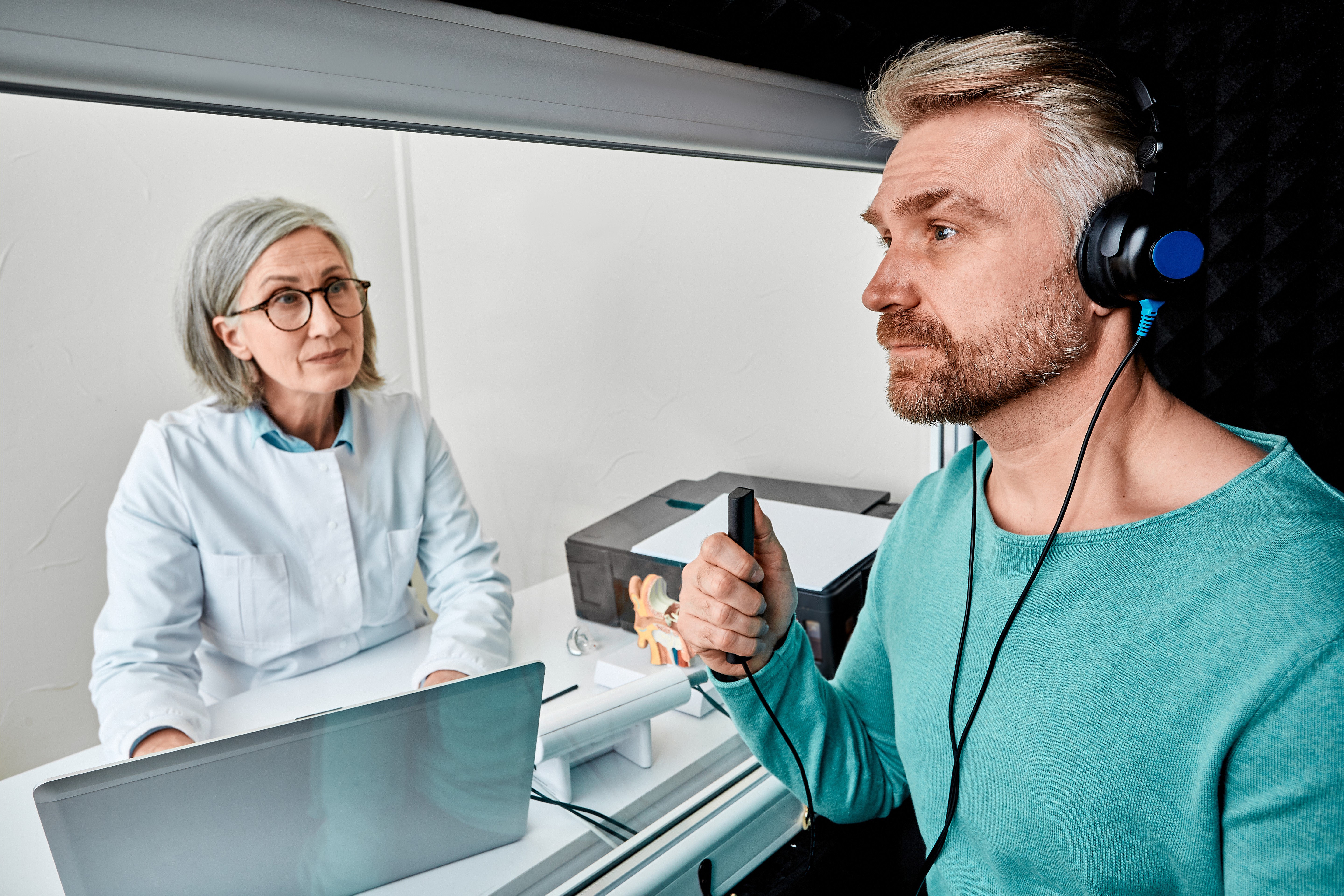
A: A hearing assessment is a straightforward, painless process designed to give you a clearer understanding of how well you hear. It begins with a conversation about your hearing experiences, including situations where you may have noticed difficulties, such as hearing family members or understanding speech when there is background noise.
You’ll then complete a series of assessments that measure your ability to hear different frequencies and understand speech in a range of listening situations.
Your results provide a detailed picture of your hearing, helping you see where you may be experiencing difficulties and giving you an opportunity to discuss what those results mean for you. From there, you can explore the options that may help you hear more comfortably and confidently in the situations that matter most to you.
Q: Can treating hearing loss challenges prevent Alzheimer's disease?
A: Hearing aids are not a cure or a prevention for Alzheimer’s disease and dementia. However, the WHO guidelines and a growing body of research suggest that treating hearing difficulties is an intervention that may help reduce the risk or slow the progression of cognitive decline.
By easing the cognitive load on the brain and reducing social isolation, you are actively supporting your brain’s long-term health and resilience.
Sources:
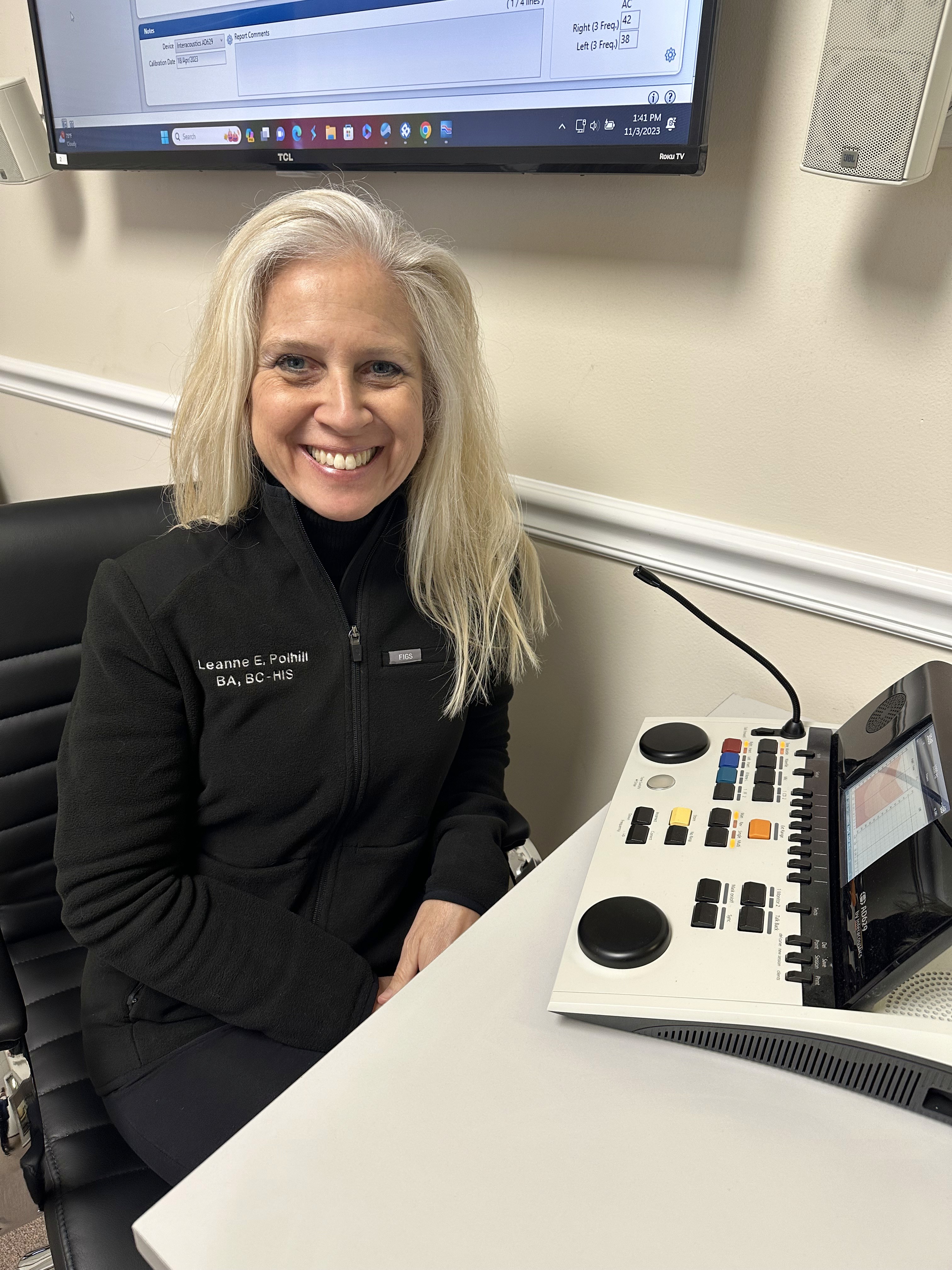
Leanne E. Polhill, LHAS, BC-HIS
Leanne E. Polhill, LHAS, BC-HIS, BA received her Bachelor of Arts Degree (BA) in 1988 from Stetson University, Florida Hearing Aid Dispensing License in 1990 and National Board Certification from the National Board for Certification in Hearing Instrument Sciences (BC-HIS) in 1992. Presently, Leanne E. Polhill is Chairperson of the Florida Department of Health’s Board of Hearing Aid Specialists, where she has served since her initial gubernatorial appointment in 2004.
Recent Posts
Leanne E. Polhill
How Roy Found Clear Conversations Again with Encore Hearing Care
Your hearing health deserves attention.

Leanne E. Polhill
Gary’s Story: How Tackling Hearing Loss Reconnected Him to What Matters Most?
Hearing care involves much more than providing a device.

06/22/2026
Leanne E. Polhill
How Firefighter Scott Reclaimed His Hearing: A Real Patient Story
Noise-induced hearing loss doesn’t discriminate.

05/01/2025
Leanne E. Polhill
Hear the Life You Love: How the Oticon Zeal Brings the World Back into Focus
The Oticon Zeal is designed to act as your discreet companion.
Get Expert Care in the Port Orange Area
Looking for trusted, local support? Our specialists in Port Orange, are here to help. Fill out the form to connect with our team and take the next step toward better hearing health!