28 November 2023
|
Leanne E. Polhill
|

Hearing health isn't just about sound: it's about staying connected to your life. When you combine proactive habits with today's advanced technology, you never have to miss a detail. Every conversation, family dinner, and team meeting deserves your full presence.
Adapting to hearing changes comes down to three things: smart personal habits, supportive spaces, and cutting-edge tech. You can rest assured that taking control of your hearing health keeps you fully dialed into every moment.
You benefit from simple, daily adjustments that turn potentially frustrating noisy rooms into seamless, engaging experiences.
1. Embrace Acceptance and Early Awareness
Recognizing changes in your hearing is the foundational step toward long-term auditory wellness. Acknowledging that your hearing needs have evolved frees you to seek solutions that immediately improve your daily interactions.
You gain mental clarity and peace of mind when you accept these changes, replacing frustration with proactive steps forward.
By trusting your awareness, you allow yourself to explore new tools and techniques without hesitation. Experiencing better hearing starts with honoring where you are today and recognizing that effective support is available to support your lifestyle.
2. Seek Professional Audiological Guidance
Partnering with a hearing health professional provides you with a personalized blueprint for your auditory health.
Comprehensive hearing evaluations reveal the precise frequencies where you need support, allowing our specialists to tailor interventions specifically to your ears. You can rest assured that expert guidance ensures your hearing strategies match your personal daily habits, routine environments, and social preferences.
Professional care delivers the exact adjustments necessary to preserve sound clarity and long-term cognitive health.
3. Embrace Assistive Technology and AI Innovations
Modern hearing devices now harness state-of-the-art artificial intelligence to process complex soundscapes in real time. Deep neural networks and dual-AI processing engines analyze thousands of acoustic parameters every second, instantly separating clear human speech from unwanted background noise.
Whether you’re navigating a bustling restaurant, a windy park, or a large lecture hall, 2026 AI capabilities automatically optimize volume levels and directional focus.
Advanced Bluetooth LE Audio integration seamlessly streams high-definition calls, music, and media directly to your hearing aids, giving you effortless connectivity and crystal-clear sound quality throughout your day.
4. Choose Optimal Listening Environments
Your physical surroundings play a major role in how comfortably you follow conversations.
Selecting environments with sound-dampening materials, such as carpeted floors, cushioned chairs, and soft drapery, helps reduce harsh sound reflection. You enjoy clearer dialogue by sitting in well-lit areas positioned away from noisy kitchen entrances, speakers, or heavy foot traffic.
When planning outings with friends or colleagues, choosing quieter venues or dining during off-peak hours allows you to focus on the conversation. Positioning yourself with your back to wall surfaces further minimizes sound distractions from behind you.
5. Practice Self-Advocacy in Daily Interactions
Informing others about your hearing preferences ensures smoother, more enjoyable conversations.
Clearly letting friends, family members, and colleagues know how best to communicate helps everyone stay on the same page. You can ask speakers to face you directly, speak at a steady pace, or rephrase statements when background noise arises.
Asserting your communication preferences puts you in full control of your social interactions.
6. Utilize Visual Cues and Facial Signals
Effective communication involves both visual and auditory information.
Focusing on a speaker's facial expressions, mouth movements, and body language provides crucial context that complements the sound you hear. Pairing visual cues with calibrated hearing technology makes tracking conversations effortless, even in dynamic group settings.
Ensuring adequate lighting during face-to-face chats ensures you catch every visual detail. This combined visual-auditory approach significantly reduces the mental effort required to decode complex speech patterns.
7. Integrate Relaxation and Mindfulness Practices
Listening with hearing loss requires extra cognitive energy, which can occasionally lead to mental fatigue.
Incorporating relaxation techniques, such as deep breathing exercises, progressive muscle relaxation, or brief daily mindfulness sessions, helps restore your mental focus and reduce stress levels.
You gain greater resilience and focus when you build moments of calm into your busy routine.
8. Build a Supportive Network and Join Community Groups
Peer support groups offer a welcoming space to share real-world tips, discuss emerging hearing technologies, and celebrate personal achievements.
You benefit from the shared knowledge of a community that understands your journey firsthand. Surrounding yourself with supportive peers reinforces your confidence and keeps you informed about new strategies for everyday living.
9. Leverage Non-Verbal and Written Tools at Work
Navigating professional settings becomes seamless when you incorporate modern communication tools into your workflow.
Utilizing real-time live captioning software during virtual meetings ensures you catch every detail of team presentations and discussions. Following up verbal meetings with written summary notes or emails guarantees clear alignment on key action items.
Requesting quiet workspaces or designated meeting rooms minimizes ambient office distractions. You can rest assured that integrating these workplace accommodations keeps your productivity high while protecting your energy.
10. Prioritize Ongoing Hearing Health Care
Hearing care is a continuous journey that evolves alongside your life. Regular maintenance, professional cleanings, and firmware updates for your technological devices preserve peak performance.
Proactively managing your hearing health safeguards your independence and enriches your daily connections. Consistently prioritizing your auditory wellness allows you to enjoy every conversation with total clarity and peace of mind.
With these tips in mind, if you’re looking for a team to help you with numbers 2, 3, and 10, look no further! Get in touch with us at Encore Hearing Care to start your hearing health journey today and see what a difference expert care can make.
Frequently Asked Questions
Q: How do artificial intelligence capabilities in 2026 hearing aids improve daily conversation?
A: Modern 2026 hearing aids feature deep neural networks and dual-AI processing that evaluate sound environments in real time. These advanced processors instantly distinguish human voices from competing background noise, isolating speech and adjusting directional microphones automatically. You benefit from natural sound clarity and smooth voice recognition without needing to manually change settings as you move between quiet and noisy spaces.
Q: What immediate steps can I take if I feel fatigued after long social events?
A: Auditory fatigue occurs when your brain works extra hard to process sound cues over extended periods. You can rest assured that scheduling short listening breaks in quiet spaces helps reset your focus and reduce strain. Incorporating simple deep-breathing exercises, ensuring your hearing aids are tuned to your latest prescription, and relying on visual cues during conversations further lighten your cognitive workload.
Q: How do I talk to my employer about communication accommodations in the workplace?
A: Open communication with your workplace leads to simple, effective accommodations that support your daily tasks. You can request practical tools such as live speech-to-text captioning for video calls, written follow-ups after team briefings, and seating in quieter areas of the office. Sharing your specific preferences empowers your team to support your productivity while ensuring seamless collaboration on every project.
Source
American Academy of Audiology – Find out more about listening fatigue here.
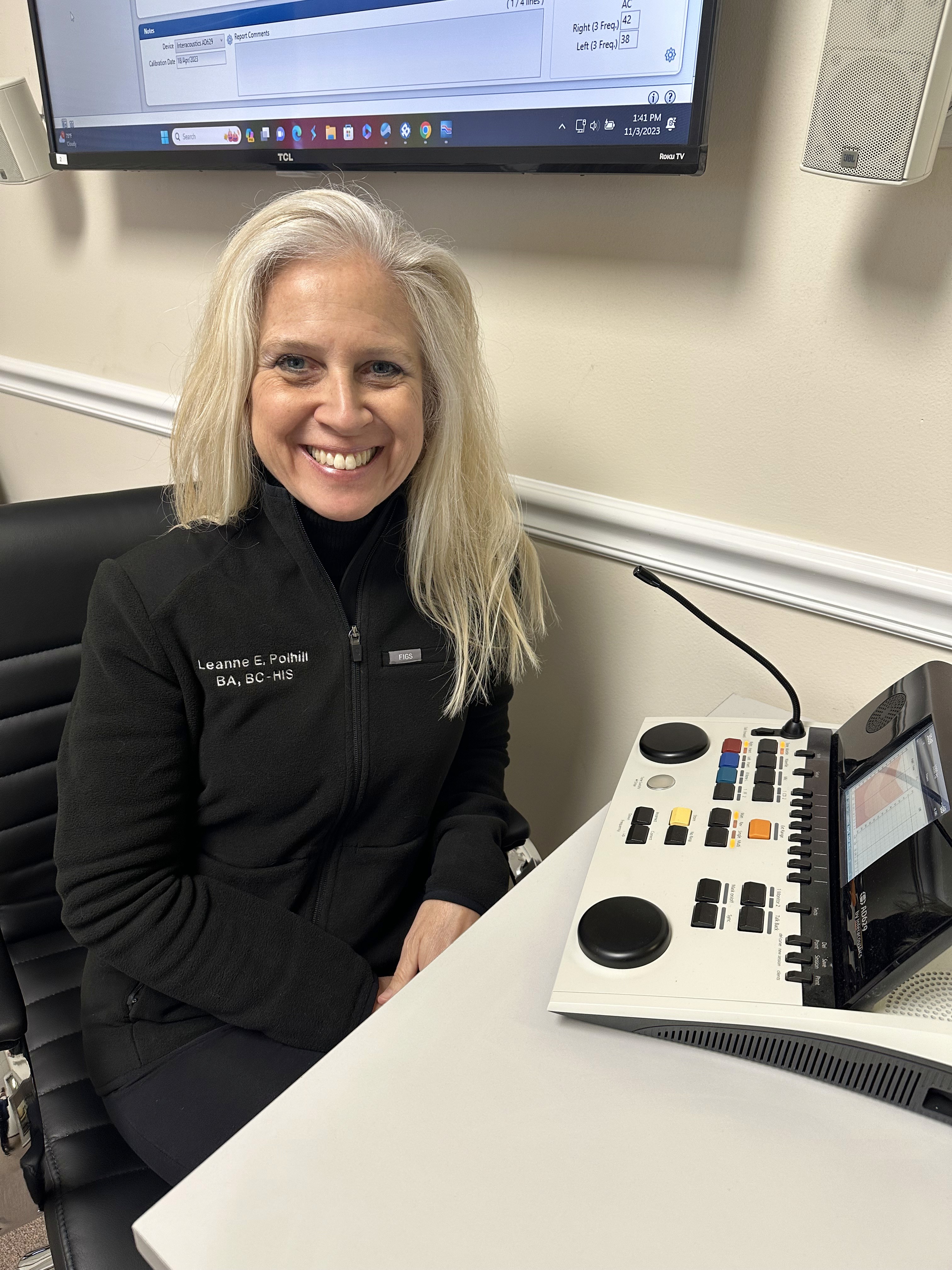
Leanne E. Polhill, LHAS, BC-HIS
Leanne E. Polhill, LHAS, BC-HIS, BA received her Bachelor of Arts Degree (BA) in 1988 from Stetson University, Florida Hearing Aid Dispensing License in 1990 and National Board Certification from the National Board for Certification in Hearing Instrument Sciences (BC-HIS) in 1992. Presently, Leanne E. Polhill is Chairperson of the Florida Department of Health’s Board of Hearing Aid Specialists, where she has served since her initial gubernatorial appointment in 2004.
Recent Posts
Leanne E. Polhill
How Roy Found Clear Conversations Again with Encore Hearing Care
Your hearing health deserves attention.
Leanne E. Polhill
Gary’s Story: How Tackling Hearing Loss Reconnected Him to What Matters Most?
Hearing care involves much more than providing a device.

06/22/2026
Leanne E. Polhill
How Firefighter Scott Reclaimed His Hearing: A Real Patient Story
Noise-induced hearing loss doesn’t discriminate.
05/01/2025
Leanne E. Polhill
Hear the Life You Love: How the Oticon Zeal Brings the World Back into Focus
The Oticon Zeal is designed to act as your discreet companion.
Get Expert Care in the Port Orange Area
Looking for trusted, local support? Our specialists in Port Orange, are here to help. Fill out the form to connect with our team and take the next step toward better hearing health!